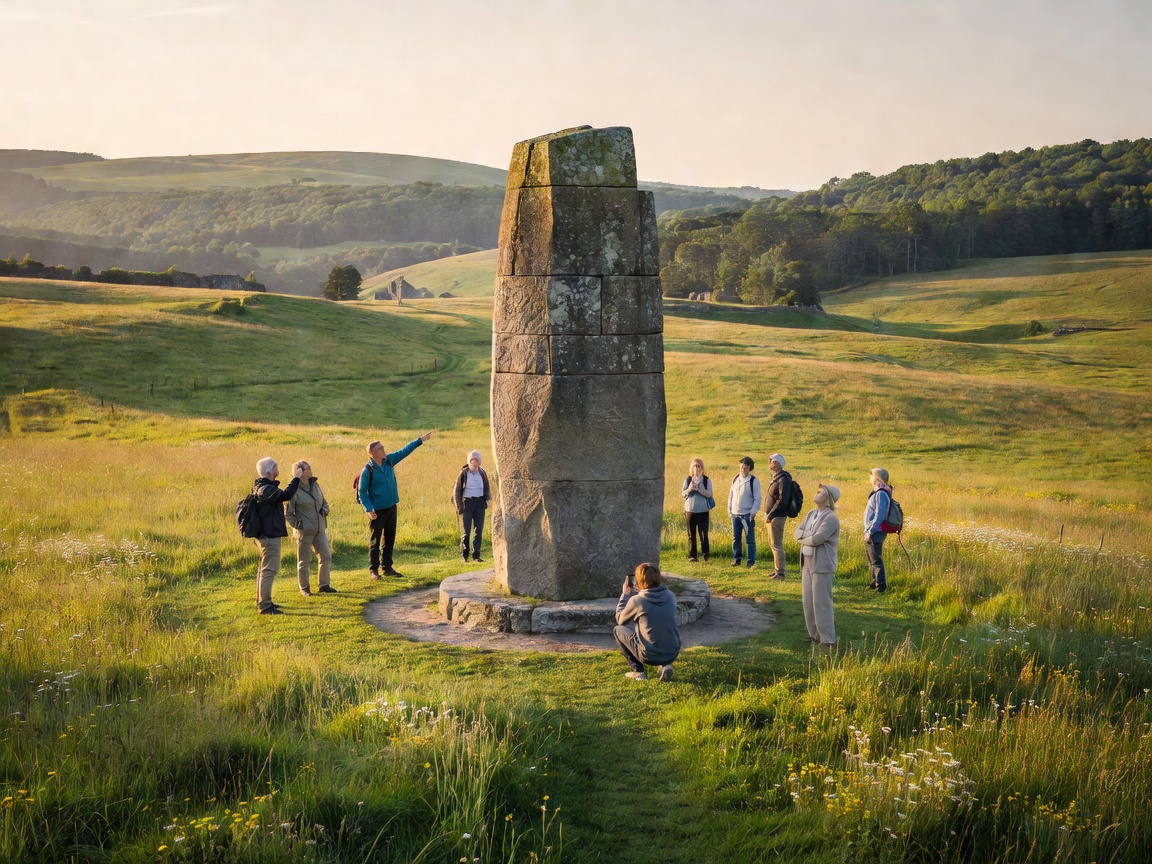
What the designation actually says
The UNESCO World Heritage Convention identifies cultural and natural places considered to have outstanding universal value. A nomination must meet at least one criterion and demonstrate authenticity, integrity and appropriate protection. In practical terms, that means the site has a recognised story of significance and a duty of care—not that every building is untouched or every visitor experience is equally good.
Some entries cover a single monument; others are serial properties spread across several towns. The Historic Centre of Rome, the Routes of Santiago de Compostela and the Architectural Work of Le Corbusier show how broad the category can be. Read the entry’s boundaries and criteria before travelling. The famous photograph may represent only one component of a much larger property.
Choosing between famous and quieter sites
Venice is incomparable, but its visitor pressure is visible in crowding, housing costs and fragile infrastructure. A smaller listed town may offer a slower, more conversational experience and still contain exceptional architecture. Compare season, transport, resident population and conservation rules, not just fame. A site with fewer headline monuments can be more rewarding if you have time to understand its landscape.
Designation can also bring restrictions. Drones, tripods, commercial photography, touching surfaces and access to sacred spaces may be controlled. Local authorities, not UNESCO headquarters, usually manage tickets and daily operations. Use the destination’s official tourism or heritage website for opening hours, closures and event information.
Planning the visit
Allow more time than the name suggests. A historic centre is not a single attraction; it is a network of streets, churches, residences, viewpoints and working businesses. Start at the interpretation centre if one exists, then walk without rushing. For archaeological or fragile sites, timed tickets may be limited and weather can close exposed routes. Carry a refillable bottle, a small layer and cash for local operators where card payment is unreliable.
Costs vary from free public streets to €20–€30 for major monuments or guided zones. Look for resident-funded museums, public transport passes and official combination tickets. A guide licensed locally can provide context unavailable on a plaque, especially at sites where archaeology and living traditions overlap.
Responsible heritage travel
Respect the distinction between public space and someone’s home. Do not enter courtyards, photograph worshippers without consent or block doorways. Buy crafts from traceable local makers and choose accommodation that follows local registration rules. Avoid souvenirs made from archaeological material. If a site asks visitors to stay on a path, that rule is part of preservation, not an inconvenience.
The best question to ask is: what is being protected, and for whom? Heritage management involves residents, researchers, owners, governments and visitors. A considerate traveller notices that negotiation and contributes through patience, lawful access and fair spending.