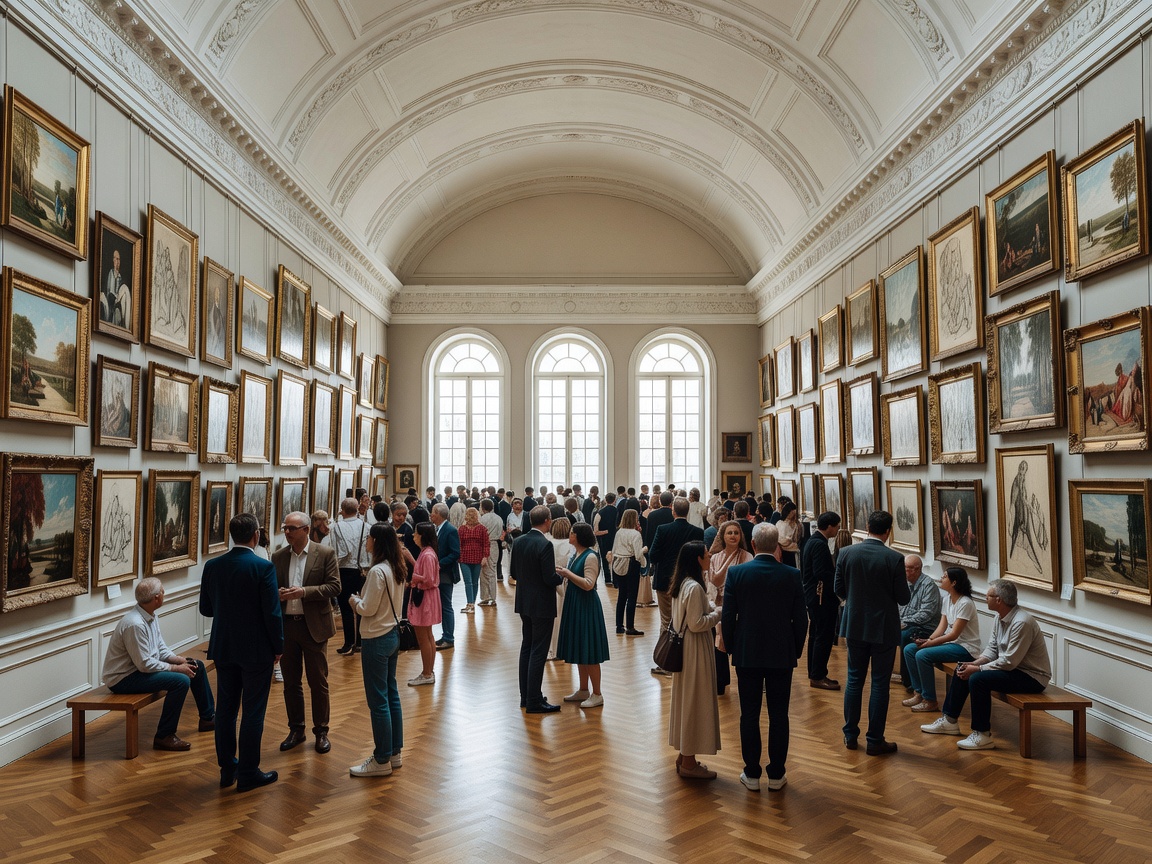
Choose by collection and building
The Louvre is a city inside a museum: extraordinary, expensive in energy and impossible to finish. The British Museum offers global breadth and a dramatic central court, while the Rijksmuseum creates a more focused story around Dutch art and history. The Prado rewards close looking at painting; the Acropolis Museum links objects to the visible monument outside. None is objectively “best”. The right choice depends on whether you want range, depth, architecture or a specific period.
Read the floor plan before arrival. Pick three priorities: a gallery, an object and a room. Add one surprise area. This simple limit keeps the visit purposeful without making it rigid. If travelling with different interests, agree on a meeting point and a shared closing time rather than forcing everyone through every gallery.
Tickets, queues and timing
Many national museums have free permanent collections but charge for special exhibitions. Others use timed tickets, with prices commonly between €12 and €25. Official websites show whether reservations are mandatory, optional or merely recommended. Avoid unofficial resellers unless the museum explicitly authorises them. Student, youth, senior and free-day rules vary; carry identification and expect busy entry windows.
Arrive before opening or during the last two hours, but check whether a large collection can realistically be covered in that period. Friday late openings can be useful, though popular rooms may remain crowded. Mondays are often closure days; smaller museums sometimes close on a different weekday. Never rely on a search result alone when a national holiday is involved.
Look closely
One object can teach material, trade, belief and power if you give it time. Notice scale, wear, repairs, labels and what is absent. Compare the museum’s language with the object’s original context. Provenance information matters, particularly for colonial collections and archaeological material. Good museums increasingly explain acquisition histories, contested ownership and repatriation claims; those notes are part of the visit, not a distraction from it.
Accessibility services may include seating, quiet hours, tactile resources, captioned media and step-free routes. Ask for a map at the desk. Photography rules differ by gallery and temporary exhibition, and flash is almost universally prohibited. Keep a pencil rather than a pen near works on paper, and never lean on cases or walls.
Make the day humane
Plan a real break outside the collection. Museum cafés can be convenient but costly; a nearby public square or bakery may restore energy for less. Leave large bags where required and dress in layers because galleries can be cool. If you stop enjoying the visit, leave one room unfinished. Curiosity survives an incomplete museum; it rarely survives exhaustion.