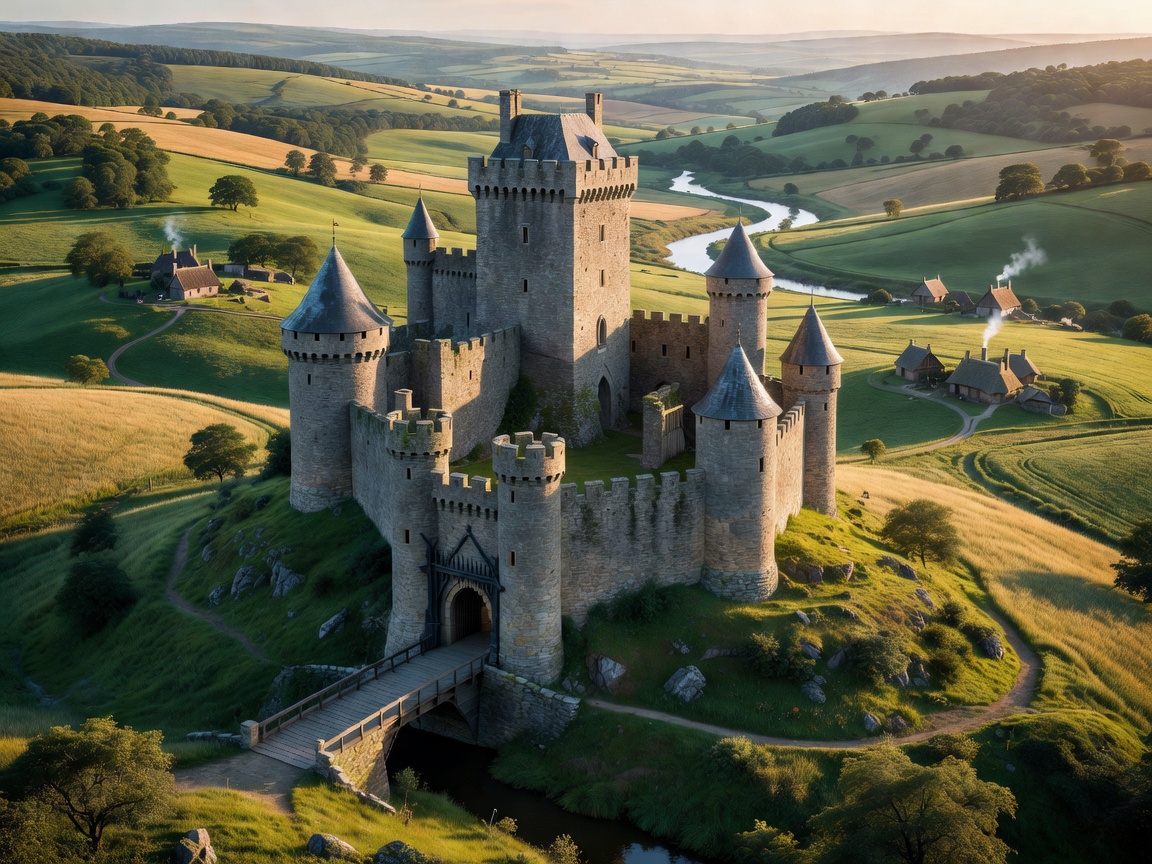
Four castle types
A border fortress is designed around terrain and defence. Carcassonne’s walls present an almost theatrical skyline, while the Tower of London combines royal residence, prison, armoury and political symbol in a dense urban setting. A hilltop stronghold, such as Edinburgh Castle, offers commanding views but can be windy, steep and crowded. Its setting is part of the experience, so reserve time for the approach.
A palace castle—think Versailles or Schönbrunn—prioritises ceremony, gardens and controlled access over battlefield practicality. The rooms are often furnished and heavily interpreted, making them a good choice in uncertain weather. Finally, a ruined castle such as those found along the Rhine may have fewer interiors but a stronger sense of place. Ruins reward imagination, photography and a willingness to accept limited facilities.
How to compare a visit
Ask whether the site is original, reconstructed or a mixture. Reconstruction can make defensive technology legible, but it may also smooth away uncertainty. Read the date of restoration and look for archaeological evidence rather than treating every crenellation as medieval. Audio guides are often worth the extra €3–€8 when they explain building phases; otherwise a printed plan and a local history book may be better value.
Location changes the cost. A famous castle in a capital can be reached by public transport and paired with other attractions, while a rural fortress may require a regional train, bus or car. Add transport and parking to the ticket price. Some sites sell family or combination passes, but only buy one if the included houses are genuinely on your route.
Practical planning
Wear shoes suitable for cobbles and spiral stairs. Many towers have narrow passages, low beams and no lift. Check the official accessibility statement and opening calendar before travelling; seasonal hours can be short in winter. Early morning avoids tour groups, while late afternoon can give the best light on exterior walls. In summer, bring water because battlements rarely have shade.
Castles can be emotionally complicated. They represent protection for some people and extraction, imprisonment or conquest for others. Look for the voices missing from grand rooms: servants, tenants, artisans, prisoners and communities displaced by expansion. Spend locally in the village rather than treating the castle as an isolated attraction, and respect residential areas around preserved sites.
Best overall strategy
Pair one monumental castle with one modest regional site. The contrast clarifies how power worked at different scales. Take notes on materials, water supply, kitchens and views—not only battles and monarchs. A good castle visit leaves you able to explain why the building stands where it does, who paid for it and how its meaning changed after its military purpose ended.