A short visual vocabulary
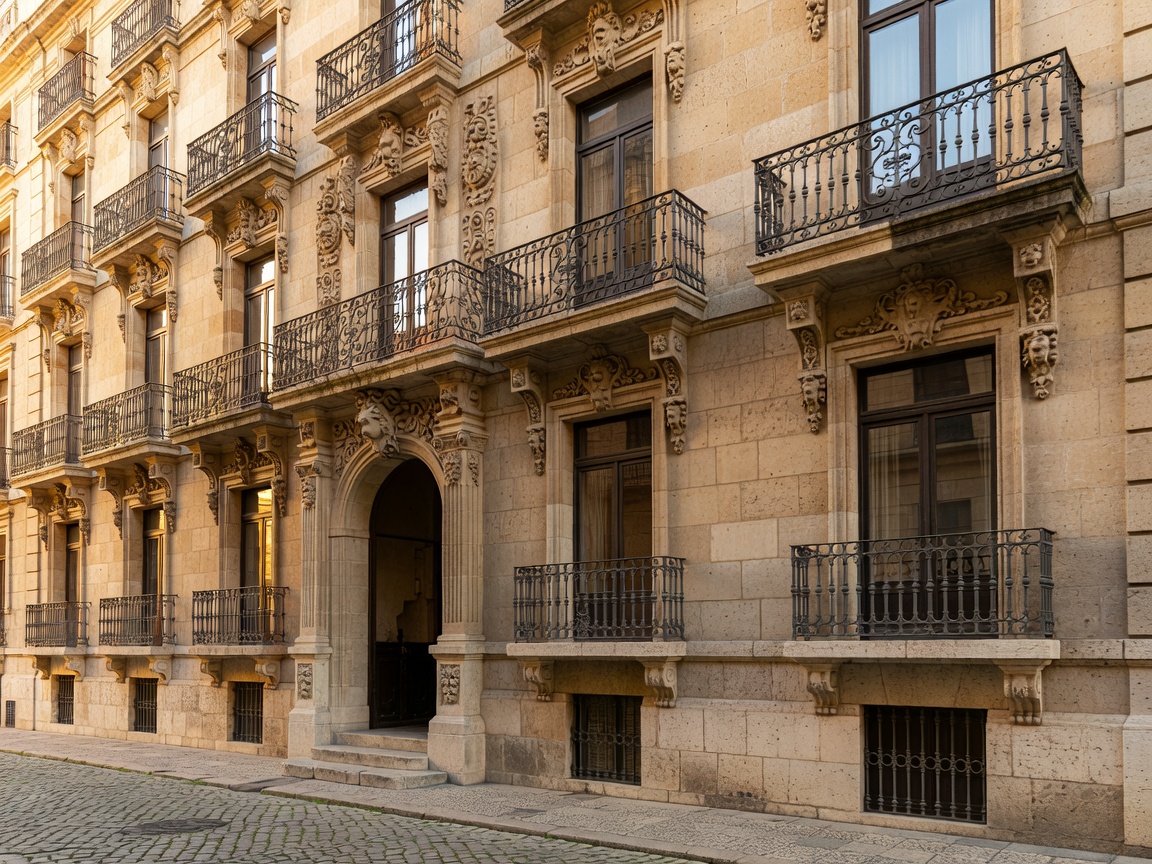
Romanesque buildings tend toward thick walls, rounded arches and a grounded, fortress-like mass. Gothic architecture redirects weight through pointed arches, ribs and flying buttresses, allowing height and coloured light. Renaissance design often values proportion, classical references and ordered façades. Baroque buildings use movement, theatrical space and dramatic contrast to shape emotion. Later Neoclassical work returns to disciplined columns and ancient models, while Art Nouveau turns structure and decoration into flowing lines.
These are not sealed boxes. Buildings were altered, extended, painted, damaged and repaired. A Gothic cathedral may contain a Baroque chapel and twentieth-century conservation work. Rather than asking, “What style is this?” ask, “Which parts belong to which moment, and why were they changed?”
Read the building from the ground up
Start with the base. Is it stone, brick, stucco or timber? Local material often explains colour and weathering better than a style label. Look at window size and placement: deep reveals suggest thick masonry; repeated large openings may indicate later structural technology or a new social purpose. Then follow the roofline, drainage, balconies and service entrances. Everyday infrastructure can reveal more than a ceremonial doorway.
Compare a civic building with a private house. Palaces announce authority through scale, axes and controlled views. Merchant houses display wealth through façades but may organise work, storage and family life around a narrow plot. Industrial buildings prioritise light, span and movement. A building’s users leave clues in door widths, staircases and worn thresholds.
Three European comparisons
Prague is rewarding for the density of Gothic, Baroque, Art Nouveau and modern architecture within walkable neighbourhoods, though its most famous lanes can be crowded. Barcelona makes the relationship between modernism, craft and urban planning visible, with Gaudí’s work as a spectacular entry point and ordinary apartment blocks providing useful comparison. Bruges offers an unusually coherent historic centre, but its picturesque surface can hide later rebuilding and the realities of a living city.
For a stronger understanding, choose one guided walk and one independent route. A good guide explains patronage, construction and social change rather than only pointing out façades. On your own, photograph details at eye level and write down sounds, uses and materials. Architecture is experienced in time as well as space.
Access and respectful looking
Churches may have worship taking place, and residential courtyards are not public galleries. Dress appropriately where requested, ask before photographing people and avoid blocking entrances. Many historic centres have uneven paving and limited step-free routes; consult local accessibility information and allow extra time. Restoration scaffolding is not a failure—it is evidence that maintenance is active and expensive.
Architecture becomes more legible when you slow down. Sit in a square, watch how shade moves across a façade, and notice which buildings residents actually use. The aim is not to become an architectural historian overnight. It is to replace passive sightseeing with informed attention.